Why Messy Play is Essential for Early Childhood Development
Discover how messy play supports cognitive, emotional, and physical development in young children.
The Magic of Messy Play
As parents, it can be tempting to keep things clean and tidy. But research consistently shows that messy play is one of the most valuable learning experiences for young children.
Cognitive Development
When children squish playdough, pour water, or mix colors, they're conducting scientific experiments. They learn about cause and effect, develop problem-solving skills, and build neural pathways that support future learning.
Sensory Integration
Messy play stimulates multiple senses simultaneously, helping children process and organize sensory information. This is crucial for developing coordination, body awareness, and emotional regulation.
Language Development
Describing textures ("squishy," "slippery," "rough") and narrating their play expands vocabulary and communication skills.
Getting Started
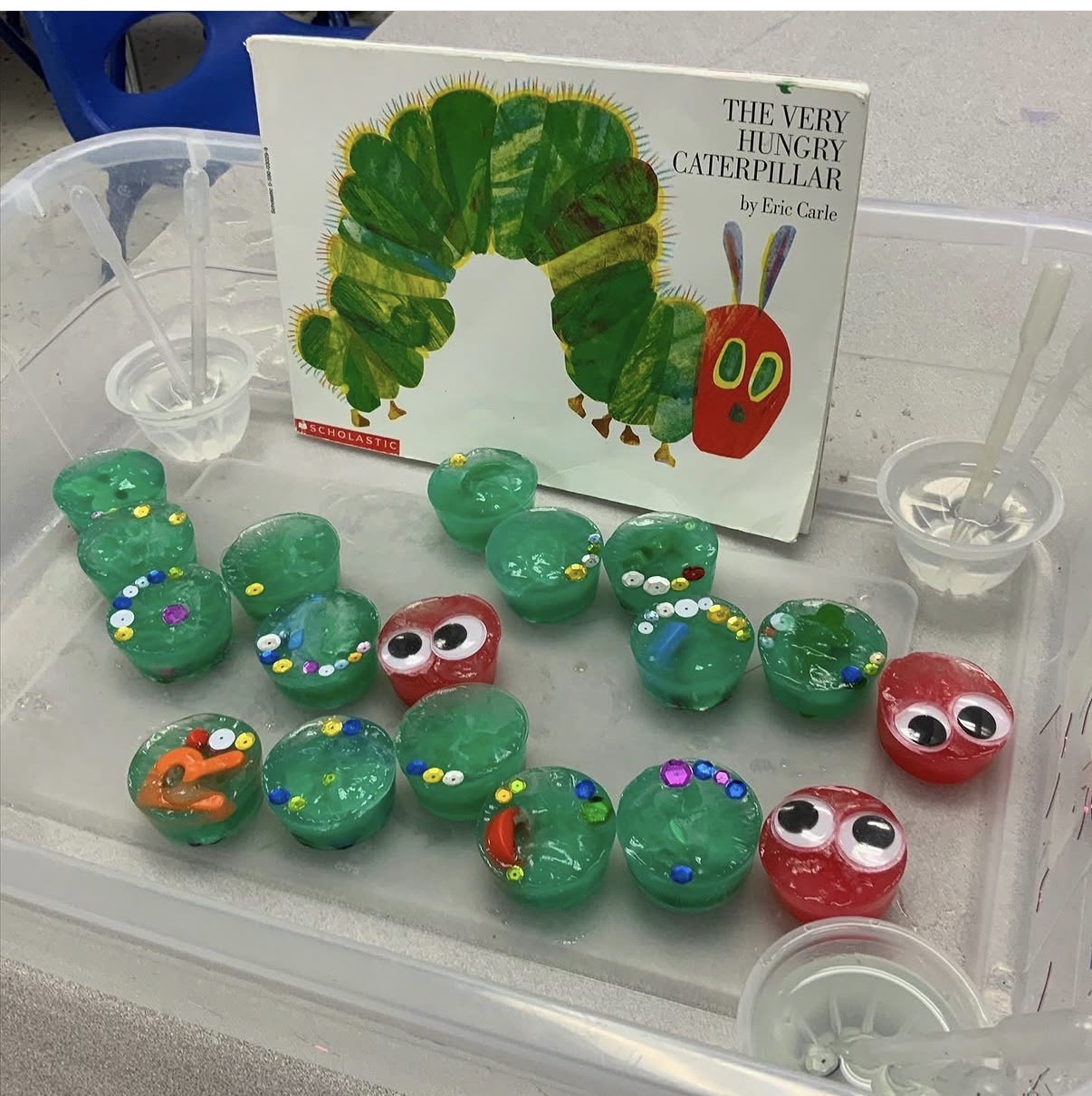
Start small with finger paints, playdough, or a simple sensory bin. Remember: the mess is temporary, but the learning lasts a lifetime!